
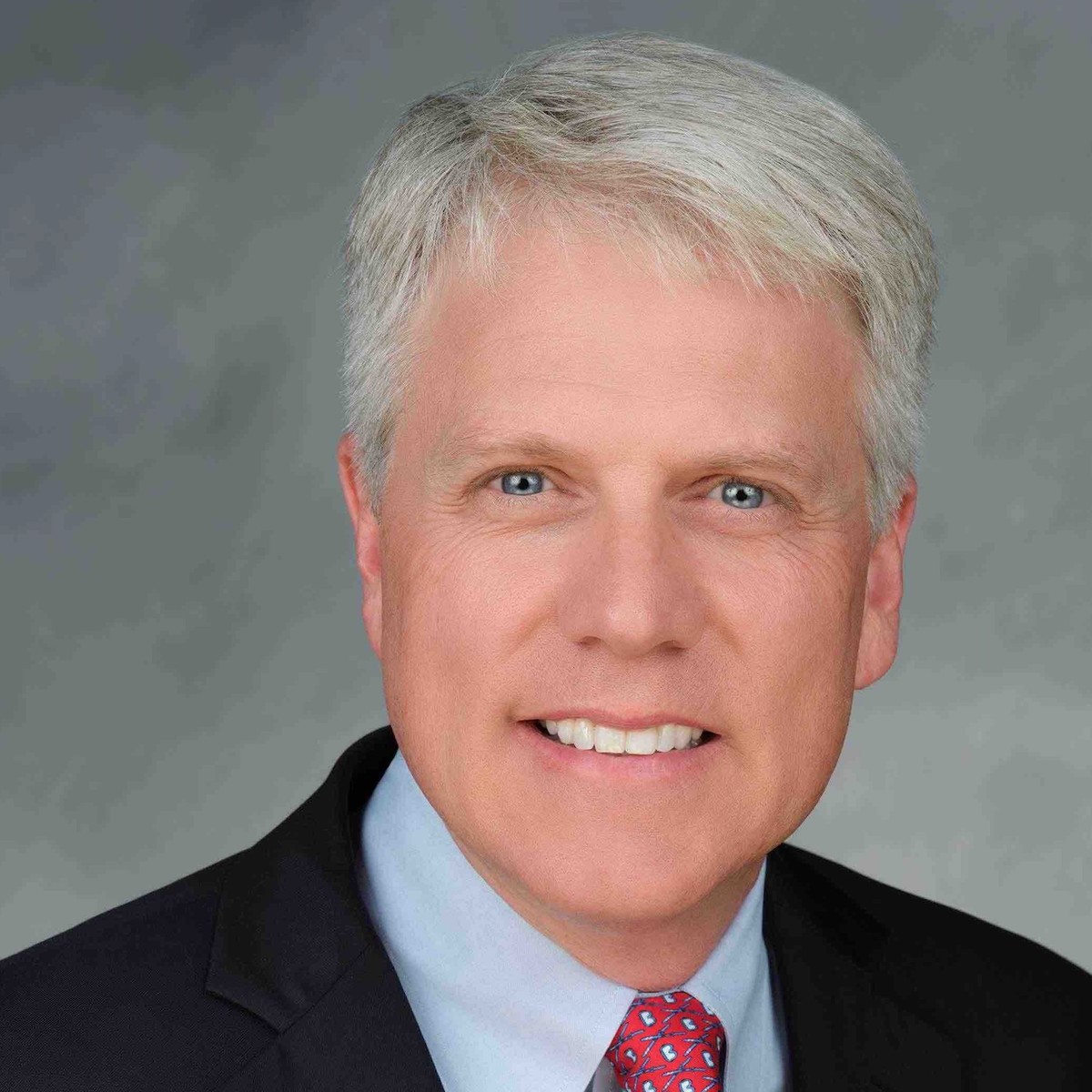
William H. Tettelbach, MD, MAPWCA, FACP, FIDSA, FUHM, CWSP, CHWS,
is a physician leader, researcher, educator, and patient advocate dedicated to advancing evidence-based, interdisciplinary wound care. Board-certified in Undersea and Hyperbaric Medicine, Infectious Diseases, and Internal Medicine, he holds academic appointments at Duke University School of Medicine and Western University of Health Sciences.As Chief Medical Officer of RestorixHealth, Dr. Tettelbach provides clinical leadership for a national network of hospital-affiliated outpatient wound and hyperbaric medicine centers. His work focuses on clinical quality, patient safety, professional education, practice standards, and the integration of evidence-based therapies into coordinated, patient-centered care.Dr. Tettelbach previously served as Program Director of the Duke University Undersea and Hyperbaric Medicine Fellowship, where he trained physicians and contributed to clinical education and scholarship. His research incorporates real-world evidence, health outcomes, and health economics to evaluate advanced wound therapies, improve healing outcomes, reduce preventable complications, and limb loss, and support high-quality, cost-effective care. He has authored and co-authored peer-reviewed publications, consensus documents, and policy analyses addressing wound healing, hyperbaric medicine, healthcare utilization, and sustainable access to advanced treatment.As President of the American Professional Wound Care Association, Dr. Tettelbach supports the organization’s mission to advance wound care through education, research, advocacy, and interprofessional collaboration. He also serves as President of the Wound and Hyperbaric Association and engages with the Centers for Medicare & Medicaid Services, policymakers, clinicians, professional organizations, and other healthcare stakeholders on issues affecting coverage, reimbursement, clinical quality, and patient access.Throughout his career, Dr. Tettelbach has worked to bring together clinicians from multiple disciplines, translate research into practical care, and promote policies that balance innovation, clinical effectiveness, patient access, and responsible stewardship of healthcare resources.